


High expenses on paper often trigger concern, especially for lenders, landlords, and underwriters who rely on net income to judge financial strength. Yet for many businesses and self-employed individuals, expenses do not tell a story of weakness but of structure, strategy, and timing. This is where a CPA Expense Ratio Letter becomes essential.
Unlike raw tax returns, this letter explains why expenses are high, how they are classified, and whether they affect real cash flow. When read alongside a CPA Income Verification Letter, it helps decision-makers see financial reality instead of isolated numbers.
What Is a CPA Expense Ratio Letter?
A CPA Expense Ratio Letter is a formal explanation prepared by a licensed CPA that analyzes expenses in relation to revenue. Its purpose is not to justify deductions but to provide professional context around cost structure, sustainability, and cash flow impact.
The letter is typically addressed to a specific recipient, such as a bank, mortgage lender, or property manager, and is based on reviewed financial records rather than assumptions.
Why Expense Ratios Raise Red Flags
Expense ratios matter because they directly affect reported net income. When expenses appear disproportionately high, reviewers may assume:
- Weak profitability
- Cash flow instability
- Over-aggressive deductions
In reality, many expense-heavy businesses are financially healthy. The CPA Expense Ratio Letter exists to clarify that gap between perception and reality.
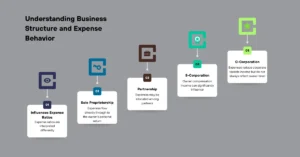
Understanding Business Structure and Expense Behavior
How Entity Type Influences Expense Ratios
Expense ratios are interpreted differently depending on how a business is structured:
Sole Proprietorship
Expenses flow directly through to the owner’s personal return, often making ratios appear high even when cash flow is stable.
Partnership
Expenses may be allocated among partners, affecting individual income figures while not reducing overall operational strength.
LLC
Depending on tax treatment, expenses may be reported similarly to partnerships or corporations, changing how ratios appear to lenders.
S-Corporation
Owner compensation and pass-through income can significantly influence expense ratios, especially when payroll and benefits are involved.
C-Corporation
Expenses reduce corporate taxable income but do not always reflect owner-level financial capacity.
Understanding structure is critical before judging expense efficiency.
Common Expense Categories Explained
A CPA Expense Ratio Letter typically breaks down expenses into recognizable categories, such as:
Operating and Administrative Costs
- Office expenses
- Utilities
- Insurance
- Professional fees
Growth and Visibility Costs
- Advertising & marketing investments aimed at revenue expansion
Financial and Transactional Costs
- Interest expense
- Bank charges and processing fees
These expenses may reduce taxable income while still supporting long-term growth or stable operations.
Expense Ratios vs Cash Flow: Why They Are Not the Same
Non-Cash and Timing Differences
High expense ratios often include non-cash or timing-based items. While the expense reduces reported income, it does not always reduce available cash.
A CPA explains:
- Which expenses are recurring
- Which are discretionary or strategic
- Which do not impair cash flow
This distinction is often the deciding factor for approval.
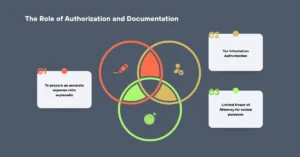
The Role of Authorization and Documentation
Tax Information Access
To prepare an accurate expense ratio explanation, a CPA may rely on documented records supported by proper authorization, such as:
- Tax Information Authorization
- Limited Power of Attorney for review purposes
These authorizations allow the CPA to confirm consistency with filed returns without overstepping professional boundaries.
How a CPA Expense Ratio Letter Complements Income Verification
CPA Expense Ratio Letter vs CPA Income Verification Letter
A CPA Income Verification Letter confirms how much income exists. A CPA Expense Ratio Letter explains why net income looks the way it does.
Together, they provide a complete picture:
- Income verification establishes earning capacity
- Expense explanation addresses efficiency and sustainability
Used together, they significantly reduce misinterpretation.
What Lenders and Landlords Actually Look For
Decision-makers are not expecting perfect ratios. They want to know:
- Are expenses ordinary and necessary?
- Do they align with the business model?
- Do they reduce taxable income without harming repayment ability?
A CPA Expense Ratio Letter answers these questions clearly and professionally.
Professional Boundaries and Disclaimers
A properly written CPA Expense Ratio Letter includes clear boundaries:
- No audit or assurance is provided
- The CPA relies on reviewed records
- The letter is for informational use by the intended recipient
This transparency protects both the CPA and the reader.
EEAT: Why These Letters Build Trust
From an EEAT perspective, the value of a CPA Expense Ratio Letter lies in:
- Experience interpreting complex expense structures
- Expertise in tax and accounting treatment
- Authoritativeness through licensed CPA involvement
- Trustworthiness via accurate disclosures and disclaimers
This combination builds confidence without exaggeration.
When a CPA Expense Ratio Letter Is Most Useful
Common Use Cases
- Mortgage and loan underwriting
- Apartment and luxury rental approvals
- Situations with high deductions or reinvestment-heavy businesses
In these cases, numbers alone are not enough.




