

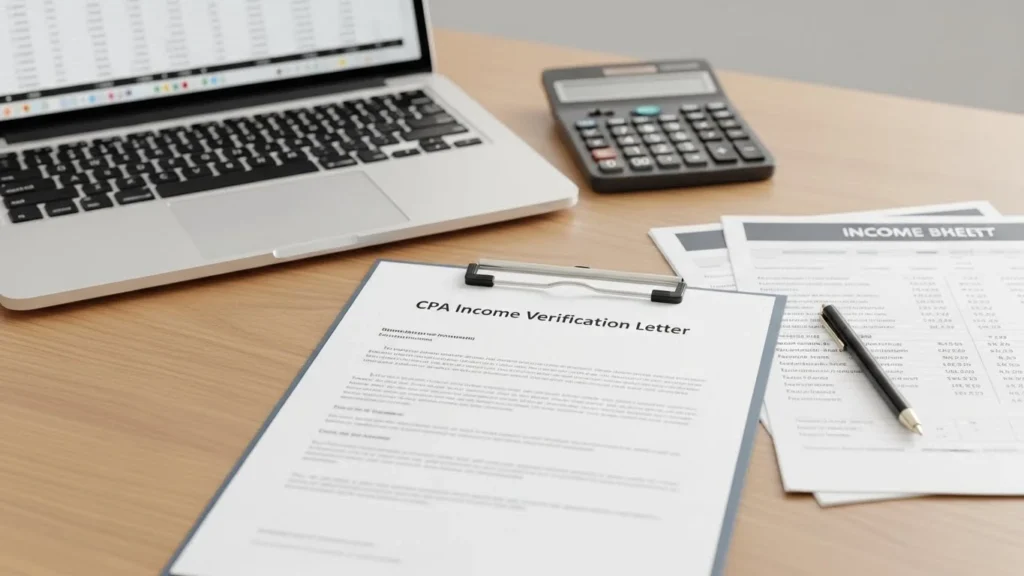
Securing an apartment is no longer just about having good credit. For self-employed professionals, business owners, or applicants with variable income, property managers often need additional assurance before approving a lease. This is where a CPA Letter for Apartment Approval becomes a critical supporting document.
Unlike pay stubs or employer letters, a CPA letter provides professional context around income, expenses, and financial stability. When necessary, it may also be paired with a CPA Expense Ratio Letter to explain why net income appears lower despite strong cash flow.
Why Property Managers Request a CPA Letter
From a leasing office’s perspective, the risk is straightforward: Can the tenant consistently afford the rent?
When income is not easily verified through traditional employment documents, property managers turn to CPAs for clarification.
A CPA letter helps landlords:
- Understand income reliability
- Evaluate affordability beyond surface numbers
- Reduce the risk of default
The letter does not guarantee payment, but it improves confidence in the applicant’s financial profile.
What Is a CPA Letter for Apartment Approval?
A CPA Letter for Apartment Approval is a written statement prepared by a licensed CPA that explains an applicant’s financial capacity based on reviewed tax and financial records. It is typically addressed directly to the landlord or leasing office and tied to a specific property address and, when available, a unit number.
The letter focuses on clarity, not certification, and includes appropriate professional disclaimers.
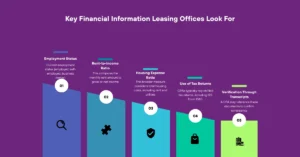
Key Financial Information Leasing Offices Look For
Employment Status and Source of Funds
Property managers want to understand:
- Current employment status (employed, self-employed, business owner)
- Primary source of funds used to pay rent
A CPA explains how income is generated and whether it is recurring, seasonal, or variable.
Rent-to-Income and Housing Expense Ratios
Two ratios are especially important:
Rent-to-Income Ratio
This compares the monthly rent amount to gross or net income. Most landlords prefer rent to stay within a defined percentage of income.
Housing Expense Ratio
This broader measure considers total housing costs, including rent and utilities, relative to income.
A CPA letter helps explain these ratios when income is variable or expenses reduce reported net income.
How IRS Records Support Apartment Approval
Use of Tax Returns
CPAs typically rely on filed tax returns, including IRS Form 1040, to establish historical income. These records are considered authoritative because they are filed with the Internal Revenue Service.
Verification Through Transcripts
Some property managers request verification through:
- IRS Form 4506-C
- IRS tax return transcripts
A CPA may reference these documents to confirm consistency, though the CPA does not pull transcripts unless properly authorized.
When a CPA Expense Ratio Letter Is Also Needed
Explaining High Expenses
If tax returns show strong revenue but lower net income due to expenses, a CPA Expense Ratio Letter may be requested alongside the apartment approval letter.
This additional explanation helps landlords understand:
- Why expenses appear high
- Whether expenses affect real cash flow
- Whether rent payments are still affordable
Together, these letters provide a fuller financial picture.
Security Deposits and Financial Assurance
Leasing offices often assess:
- Security deposit amount
- First and last month’s rent requirements
A CPA letter may reference the applicant’s ability to meet upfront obligations, without making guarantees or promises.
What a CPA Letter Does, and Does Not, Do
Professional Boundaries
A properly prepared CPA letter includes clear limits:
- No audit or assurance is provided
- The CPA relies on reviewed records
- The letter is intended only for the named recipient
This transparency protects both the CPA and the landlord.
Why CPA Letters Build Trust in Rental Decisions
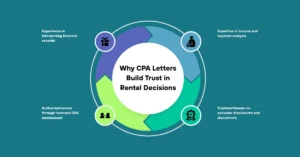
From an EEAT perspective, CPA letters work because they combine:
- Experience in interpreting financial records
- Expertise in income and expense analysis
- Authoritativeness through licensed CPA involvement
- Trustworthiness via accurate disclosures and disclaimers
This balance makes them more credible than self-prepared statements.
Common Situations Where CPA Letters Are Required
Typical Use Cases
- Self-employed renters
- Business owners with variable income
- Applicants without traditional pay stubs
- High-value or luxury apartment applications
In these cases, a CPA Letter for Apartment Approval often determines whether the application moves forward.




