


When a borrower’s income doesn’t arrive neatly on a W-2, mortgage underwriting becomes more interpretive. That’s where a CPA letter comes in. For business owners and independent professionals, lenders often request a CPA letter to add clarity, context, and confidence to the loan file, without replacing underwriting or verification.
This article explains what lenders require, why the letter matters, and how it supports both conventional and alternative programs, with special attention to CPA Letter for Self-Employed Mortgage Borrowers and CPA Letter for Mortgage Income Verification.
What Is a CPA Letter for Mortgage Loans?
A CPA letter for mortgage loans is a non-attest, explanatory document prepared at the borrower’s request. Its purpose is to describe income, business structure, and operating context using historical records already available to the CPA.
It is not an audit, certification, or approval. Instead, it helps underwriters interpret complex situations, especially where income is business-derived or variable.
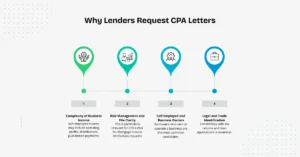
Why Lenders Request CPA Letters
Complexity Beyond Standard Pay Stubs
Self-employed income can fluctuate, include multiple streams, or be reduced by legitimate tax strategies. A CPA letter helps lenders understand how the income is earned and sustained, not just how it’s reported.
Risk Management and File Clarity
Underwriters use CPA letters to:
- Resolve questions raised by tax returns
- Explain income trends or changes
- Confirm business continuity and borrower control
This is particularly relevant for CPA Letter for Mortgage Income Verification requests.
Who Typically Needs a CPA Letter?
Self-Employed and Business Owners
Borrowers who own or operate a business are the most common candidates. This includes:
- Sole proprietors
- Partners
- LLC members
- S-Corp and C-Corp shareholders
These scenarios often require a CPA Letter for Self-Employed Mortgage Borrowers to add underwriting context.
Business Identification and Structure
Legal and Trade Identification
A lender-ready letter clearly identifies:
- Legal Business Name
- Trade Name / DBA (if applicable)
Consistency with tax returns and loan applications is essential.
Business Entity Type
The letter may describe the Business Entity Type, such as:
- Sole Proprietorship
- LLC
- S-Corp
- C-Corp
- Partnership
This helps underwriters understand income flow and control.
Business History and Formation
Establishment and Jurisdiction
Lenders look for evidence of continuity. The letter may reference:
- Date Business Established
- State of Formation
- Business EIN (identified, not disclosed)
Operating Address
- Business Address confirms ongoing operations and legitimacy.
Nature of Business and Industry Context
Industry Description
A brief Nature of Business / Industry description helps underwriters assess whether income patterns align with the business model.
Revenue Characteristics
While not calculating income, the letter may describe whether revenue is:
- Project-based
- Recurring
- Seasonal
This frames variability without forecasting.
Ownership and Borrower Control
Ownership Percentage
The letter identifies the borrower’s Ownership Percentage, which informs income access and decision-making authority.
Role in the Business
Underwriters want to know the borrower’s role, such as:
- Owner
- Managing Member
- Partner
Active vs Passive Involvement
Active involvement typically supports income continuity more strongly than passive ownership.
Control of Operations and Decision-Making
Operational Control
A CPA letter may describe whether the borrower has control of business operations, including:
- Authority over distributions
- Day-to-day management
This context is important when lenders assess sustainability.
How Lenders Use the CPA Letter
Context, Not Calculation
Underwriters do not use the CPA letter to compute qualifying income. Instead, they use it to:
- Interpret tax returns
- Understand business structure
- Assess continuity and risk
Complement to Required Documents
The letter supports, but does not replace, tax returns, bank statements, and lender worksheets.
What the CPA Letter Covers, and What It Does Not
What It Does
- Explains business and income context
- Clarifies ownership and control
- Reduces follow-up questions
What It Does Not
- Verify income accuracy
- Audit financial records
- Guarantee mortgage approval
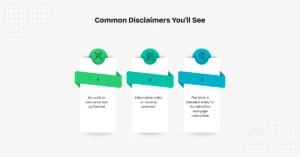
Common Disclaimers You’ll See
Well-prepared CPA letters include statements that:
- No audit or assurance was performed
- Information relies on records provided
- The letter is intended solely for the identified mortgage transaction
These limits protect all parties and support EEAT compliance.
Best Practices for Borrowers
Keep Information Consistent
Ensure the CPA letter aligns with:
- Tax filings
- Loan application details
- Business records
Request the Right Letter
Ask for explanation, not verification or guarantees, to avoid underwriting delays.
Best Practices for CPAs
Define Scope Clearly
State the purpose, period reviewed, and reliance limits.
Use Neutral, Factual Language
Describe what records show, avoid predictions or approvals.




