


For self-employed borrowers, income verification is rarely straightforward. Unlike W-2 employees, income may fluctuate, come from multiple sources, or be reported across different tax forms. Because of this complexity, lenders often request a CPA letter to bridge the gap between raw financial documents and underwriting decisions.
A CPA letter for self-employed income verification is designed to explain how income is earned, how long it has been earned, and whether it appears consistent, without turning the CPA into an underwriter or guarantor.
This guide explains exactly what underwriters look for, what information belongs in the letter, and how CPAs stay compliant while supporting the mortgage process.
What Is a CPA Letter for Self-Employed Income Verification?
A CPA letter for self-employed income verification is a non-attest, explanatory document prepared at the borrower’s request. Its purpose is to summarize income characteristics using historical records already prepared by or provided to the CPA.
The letter:
- Explains income structure and consistency
- Provides professional context for underwriting
- Does not verify income or guarantee approval
Final income qualification always remains the lender’s responsibility.
Why Underwriters Require This Letter
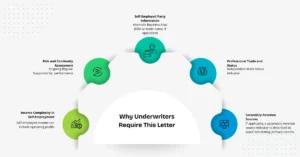
Income Complexity in Self-Employment
Self-employed income can include operating profits, consulting fees, commissions, or mixed revenue streams. Underwriters use the CPA letter to understand how those streams work together.
Risk and Continuity Assessment
The primary underwriting concern is whether income is:
- Ongoing
- Regular
- Supported by historical performance
The letter provides descriptive clarity, not predictions.
Borrower and Business Identification
Self-Employed Party Information
A compliant letter clearly identifies:
- Self-Employed Party Legal Name
- Alternate Business Alias (DBA or trade name, if applicable)
Names must match loan and tax documents exactly.
Professional Trade and Status
The letter describes:
- Professional Trade Description
- Independent Work Status Indicator
This helps underwriters classify the borrower correctly.
Business Registration and Legal Structure
Registered Entity Details
When applicable, the letter references:
- Commercial Entity Registration Name
- Legal Formation Category (sole proprietor, LLC, S-Corp, partnership)
- Business Registration Jurisdiction
Establishment Timeline
- Date of Business Establishment
- Duration of Self-Employment Activity
Longevity supports income reliability.
Revenue Sources and Composition
Primary Revenue Stream
The letter explains the main way income is generated:
- Core services
- Sales activity
- Professional fees
Secondary Revenue Sources
If applicable, a secondary revenue source indicator is described to avoid overstating primary income.
Earnings History and Income Behavior
Average Annual Earnings
The letter may reference an average annual earnings measure derived from historical records.
Income Regularity Assessment
Underwriters look for:
- Consistency across periods
- Predictable earning patterns
Sustainability Commentary
Any sustainability language is descriptive only, grounded in historical trends rather than forecasts.
Periods Reviewed and Performance History
Income Reporting Period
The letter clearly states:
- Income reporting period reviewed
Historical Performance Span
Most lenders expect coverage of:
- Two or more prior years, when available
Anomalies or Fluctuations
If income varies, the letter may explain:
- Seasonality
- One-time events
- Market-driven changes
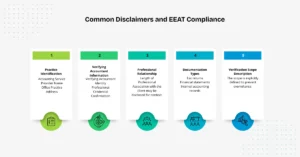
Financial Evidence Reviewed
Documentation Types
A CPA letter typically references:
- Tax returns
- Financial statements
- Internal accounting records
These are reviewed at a high level and not audited.
Verification Scope Description
The scope is explicitly defined to prevent overreliance.
CPA Identification and Professional Standing
Verifying Accountant Information
A lender-acceptable letter includes:
- Verifying Accountant Identity
- Professional Credential Confirmation
- Licensing Authority Identifier
- Certification Reference Number
Professional Relationship
- Length of Professional Association with the client may be disclosed for context.
Accounting Firm Contact Information
Practice Identification
The letter includes:
- Accounting Service Provider Name
- Office Practice Address
- Professional Contact Line
- Secure Communication Email
This allows lender follow-up if clarification is required.
What the Letter Does, and Does Not, Confirm
What It Does
- Explains income sources and patterns
- Provides historical context
- Supports underwriting review
What It Does Not
- Verify income accuracy
- Audit financial records
- Guarantee mortgage approval
Common Disclaimers and EEAT Compliance
Well-drafted letters clearly state that:
- No audit or assurance was performed
- Information is based on client-provided records
- The letter is intended for a specific mortgage review
These statements protect both the CPA and the borrower.
Best Practices for Borrowers
Align All Documentation
Ensure the CPA letter matches:
- Tax returns
- Bank statements
- Loan application data
Avoid Overstated Requests
Requests for guarantees or predictions often delay underwriting.
Best Practices for CPAs
Define Scope Clearly
State purpose, period, and limitations explicitly.
Use Neutral, Factual Language
Describe what records show, nothing more.




