


For self-employed borrowers, using business funds toward a home purchase or refinance often triggers extra scrutiny from lenders. Underwriters must confirm that the funds are legitimate, properly authorized, and will not weaken the business that generates the borrower’s income. This is where a CPA Letter for Use of Business Funds Self-Employed plays a critical role.
This article explains what lenders expect from these letters, how CPAs frame them professionally, and how they complement related documentation such as a CPA Letter for Self-Employed Expense Ratio, all while remaining non-attest, compliant, and lender-ready.
What Is a CPA Letter for Use of Business Funds (Self-Employed)?
A CPA Letter for Use of Business Funds Self-Employed is a non-attest, explanatory letter prepared at the borrower’s request. Its purpose is to describe:
- The source of business funds being used
- The purpose of fund usage in the mortgage transaction
- The impact of the withdrawal on the ongoing business
The letter provides context based on historical records and representations. It does not verify bank balances, certify ownership, or approve the mortgage.
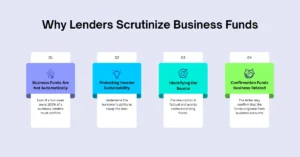
Why Lenders Scrutinize Business Funds
Business Funds Are Not Automatically Personal Funds
Even if a borrower owns 100% of a business, lenders must confirm that withdrawals are:
- Authorized
- Business-related
- Not restricted or borrowed
Protecting Income Sustainability
Underwriters want assurance that using business funds will not:
- Disrupt operations
- Reduce working capital below safe levels
- Undermine the borrower’s ability to repay the loan
Source of Business Funds
Identifying the Source
The CPA letter clearly describes the source of business funds, such as:
- Operating cash
- Retained earnings
- Accumulated profits
The description is factual and avoids recharacterizing funds.
Confirmation Funds Are Business-Related
The letter may confirm that the funds originate from business accounts and relate to the business, not undisclosed personal borrowing.
Amount and Purpose of Funds Used
Amount of Funds Used
The letter states the amount of funds used or intended to be used for:
- Down payment
- Closing costs
- Reserves
Purpose of Fund Usage
The purpose is described clearly to align with the mortgage application and lender requirements.
Timing of Fund Withdrawal
When Funds Are or Will Be Withdrawn
The timing of fund withdrawal matters. The letter may describe:
- Whether funds have already been withdrawn
- Whether withdrawal is planned near closing
This helps lenders trace funds appropriately.
Ownership and Authorization
Borrower Ownership
The letter identifies the borrower’s ownership interest in the business to explain authority over funds.
Access and Control
Descriptive language may explain whether the borrower has the authority to distribute or withdraw funds under the business structure.
Remaining Business Liquidity
Liquidity After Withdrawal
Lenders are highly focused on what remains after funds are used. The letter may describe:
- Remaining business liquidity
- Availability of cash to meet obligations
Cash Flow Impact
The CPA may explain whether the withdrawal appears to have a material cash flow impact, based on historical operations.
Operational Impact Assessment
No Impairment to Operations Statement
A carefully worded statement may indicate that, based on records reviewed, the withdrawal does not appear to impair normal business operations.
This is descriptive, not a guarantee.
Separation of Business and Personal Funds
Clear Separation
The letter may confirm the separation of business and personal funds, which reassures lenders about:
- Proper accounting practices
- Reduced commingling risk
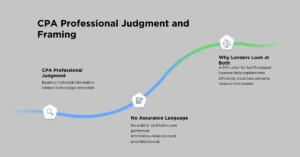
CPA Professional Judgment and Framing
CPA Professional Judgment
Any judgment expressed is framed as:
- Observational
- Based on historical information
- Limited to the scope described
No Assurance Language
The letter explicitly states no assurance, meaning:
- No audit or verification was performed
- Information relies on client-provided records
Relationship to Expense Ratio Analysis
Why Lenders Look at Both
A CPA Letter for Self-Employed Expense Ratio explains how efficiently a business converts revenue into income.
A CPA Letter for Use of Business Funds Self-Employed explains whether withdrawing cash weakens that business.
Together, they answer two critical questions:
- How strong is the business?
- Can it afford to release funds safely?
What the Letter Covers, and What It Does Not
What It Covers
- Source and purpose of business funds
- Timing and amount of withdrawal
- High-level liquidity and operational impact
What It Does Not Do
- Verify bank balances
- Certify ownership of funds
- Guarantee mortgage approval
Borrower Responsibilities and Considerations
Maintain Clean Records
Clear bookkeeping and separation of accounts reduce lender questions.
Align All Disclosures
Ensure consistency across:
- CPA letter
- Bank statements
- Mortgage application
CPA Considerations in Mortgage Documentation
Define Scope Clearly
Always state:
- Period reviewed
- Records referenced
- Reliance limitations
Avoid Underwriting Language
Do not imply approval, sufficiency, or guarantees.




